- The AI Operator
- Posts
- Turn customer questions into sales gold (AI method)
Turn customer questions into sales gold (AI method)
How to mine competitor comments for objection-handling content that converts prospects into buyers

Simeon Krastev
July 02, 2025
Hey there,
Last week, I was working with a coach who was struggling to convert leads into paying clients. She had plenty of traffic and engagement, but prospects kept asking the same questions repeatedly, and she wasn't addressing them proactively.
Sound familiar?
When I showed her how to use AI to mine competitor comments for customer questions, then turn those into objection-handling content, everything changed. Within 21 days, her conversion rate jumped from 8% to 23%, and she was pre-emptively answering every concern prospects had before they even asked.
The reality is that your prospects are already telling you exactly what's stopping them from buying - they're just doing it in your competitors' comment sections. AI can now extract these insights and turn them into conversion-boosting content automatically.
In today's edition:
How to use AI to discover every objection your prospects have
The system for turning competitor comments into sales-driving content
Step-by-step guide to creating objection-handling content at scale
Real case studies of businesses doubling conversions with this method
Let's cut to the chase. Your prospects are having detailed conversations about their fears, objections, and concerns - but they're not having them with you. They're having them in your competitors' comment sections.
Why This Changes Everything:
Every question is a potential objection you need to handle
Every concern represents a conversion barrier you can remove
Every complaint about competitors is a positioning opportunity
Every positive comment reveals what prospects actually value
The AI-Powered Research and Content Creation System
Here's how to systematically turn customer questions into sales opportunities:
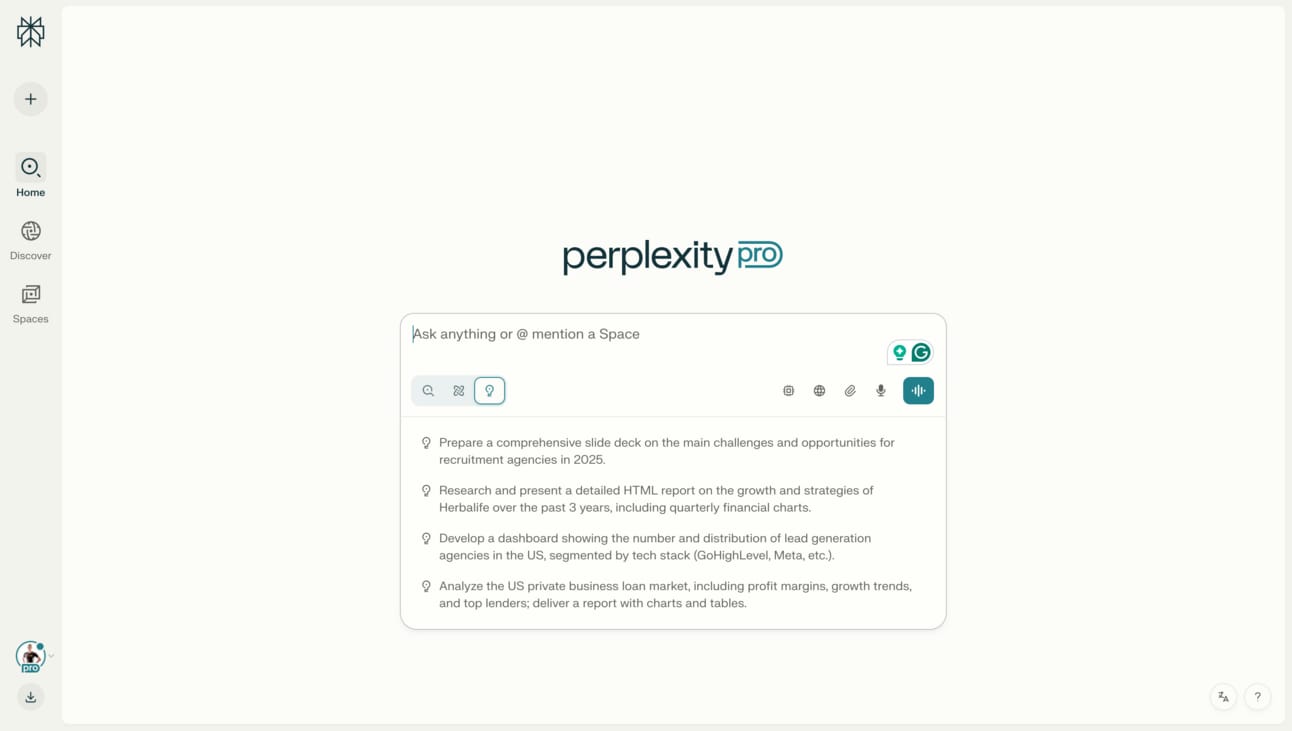
1. AI-Powered Competitor Intelligence with Perplexity
The Research Process: Use Perplexity to systematically analyze your competitors' content and extract customer insights that reveal exactly what's stopping prospects from buying.
Implementation Steps:
Step 1: Identify Your Research Targets
List your top 5-10 direct competitors
Find their most popular content (posts, videos, articles)
Identify their highest-engagement social media posts
Locate their product pages and sales content
Step 2: Use Perplexity for Deep Comment Analysis
Prompt: "Analyze the comments on [competitor's post/video URL]. Extract the top 10 most common questions, objections, and concerns prospects are expressing. Categorize them by: pricing concerns, feature questions, trust issues, implementation worries, and comparison requests."
Step 3: Extract Objection Patterns
Prompt: "Based on these comments, what are the 5 biggest barriers preventing people from purchasing [type of product/service]? What specific language do prospects use when expressing these concerns?"
Step 4: Identify Content Opportunities
Prompt: "Create a list of 20 content ideas that would address these objections and concerns. Format each as a compelling headline that would attract prospects dealing with these specific problems."
Real Example: A business consultant used this method to analyze comments on competitors' LinkedIn posts. Perplexity identified that 67% of prospects were concerned about "implementation time" and "getting team buy-in." She created content addressing these specific concerns and saw her consultation booking rate increase by 156%.
2. Content Creation with GetPoppy.ai
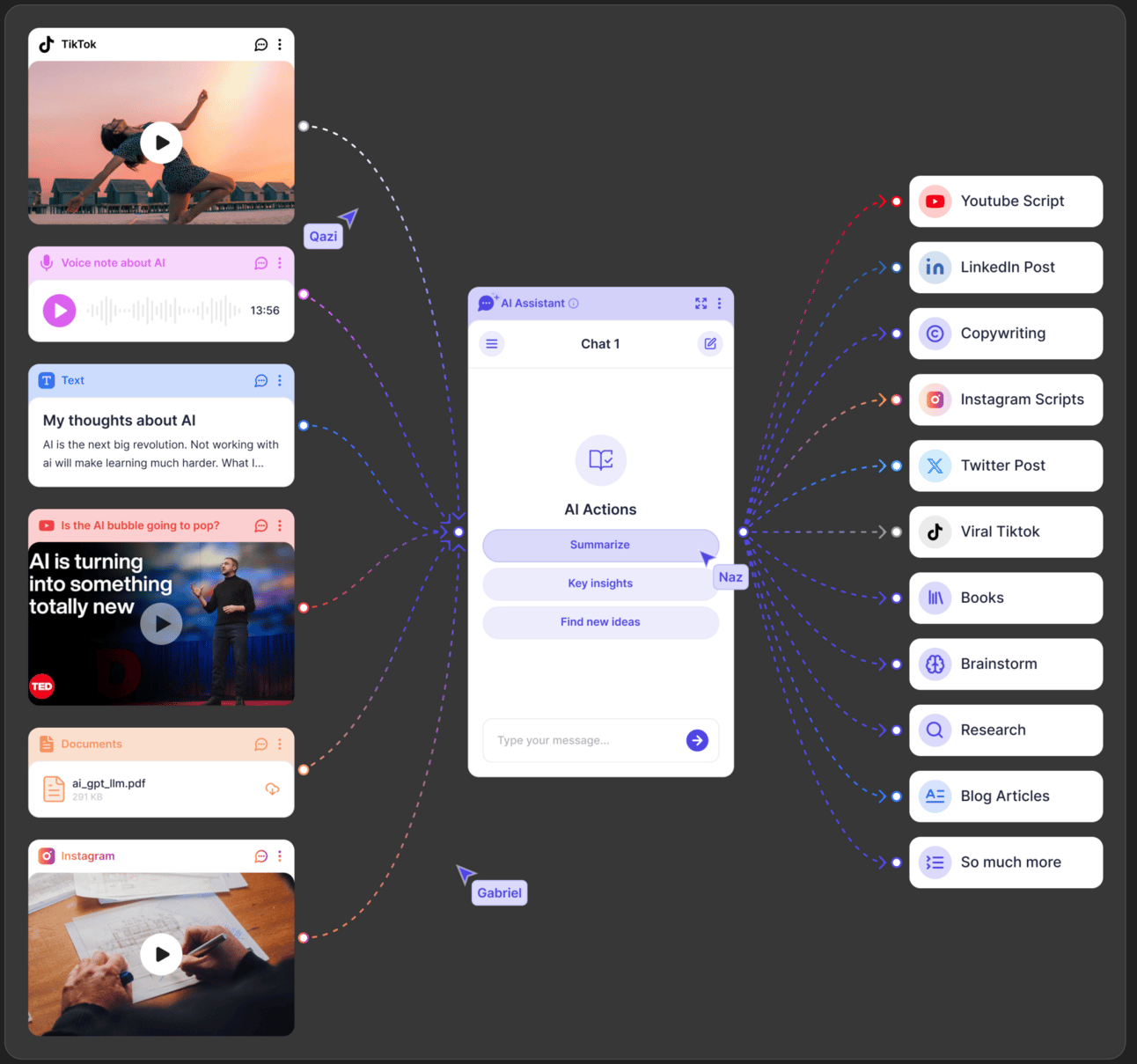
The Script Generation Process: Once you've identified the objections and questions, use GetPoppy.ai to create compelling content that addresses each concern while positioning your solution.
Implementation Steps:
Step 1: Upload Research Data
Import your Perplexity research findings into Poppy
Include competitor analysis and objection patterns
Add your unique value propositions and differentiators
Step 2: Generate Objection-Handling Scripts
Use Poppy's collaboration board to create:
Social media posts addressing specific concerns
Video scripts that handle common objections
Email sequences that overcome purchase barriers
Blog post outlines that educate and convert
Step 3: Create Platform-Specific Content
TikTok scripts for quick objection handling
Instagram carousel posts breaking down complex concerns
LinkedIn articles providing detailed explanations
YouTube video scripts for comprehensive education
3. AI Spokesperson Cloning for Scalable Content
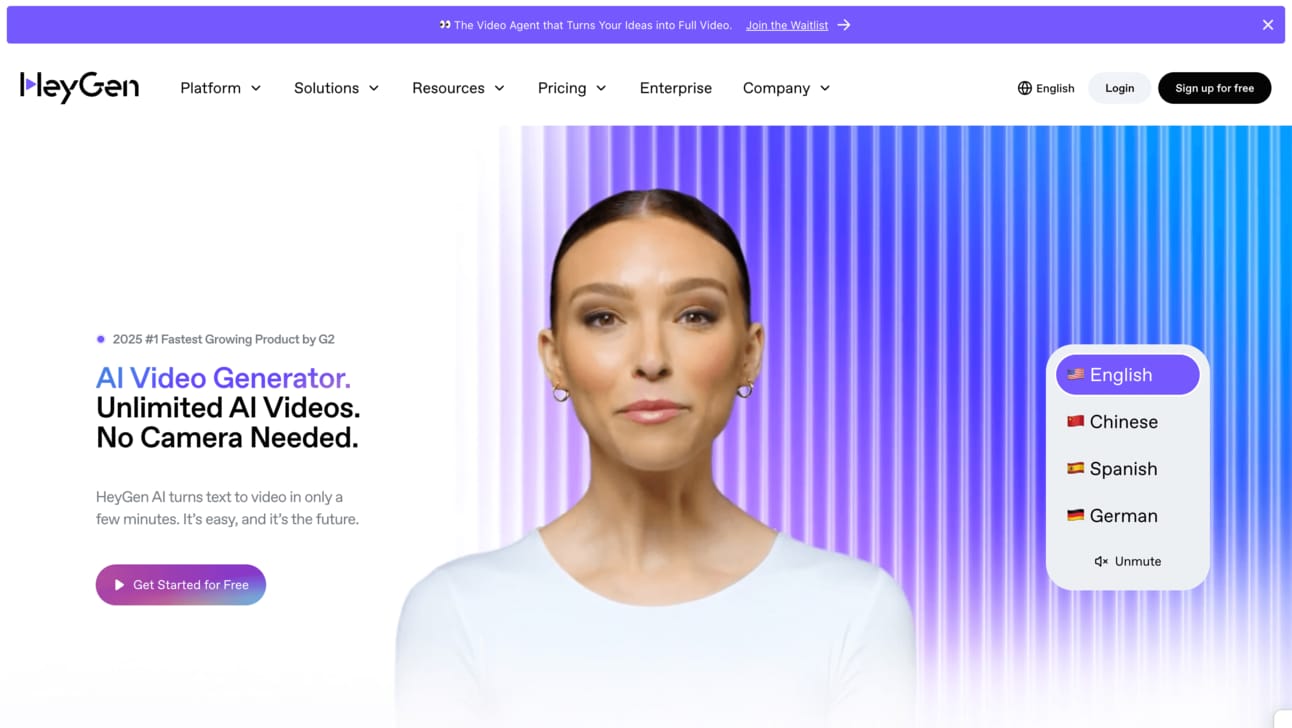
The Automation Advantage: Instead of recording yourself answering the same objections repeatedly, clone yourself with AI to create unlimited objection-handling content.
Implementation Steps:
Step 1: Record Foundation Content
Film yourself answering 20-30 common objections
Include various emotions and energy levels
Capture different backgrounds and settings
Record multiple takes for natural variation
Step 2: Clone and Scale
Use AI cloning tools to create your digital spokesperson
Generate responses to every objection identified in research
Create variations for different platforms and audiences
Produce seasonal and timely objection-handling content
Step 3: Deploy Strategically
Use cloned content for social media responses
Create objection-handling ad campaigns
Build FAQ video libraries
Develop automated email responses
Real Example: A real estate agent cloned herself to answer property-buying objections. She created 100+ videos addressing every concern prospects had (financing, market timing, location worries). Her listing-to-sale conversion rate improved 89% because prospects felt fully educated before making decisions.
4. The Content Distribution Strategy
Making Your Objection-Handling Content Work:
Proactive Deployment:
Post objection-handling content before prospects ask
Use insights to create targeted ad campaigns
Build comprehensive FAQ sections
Develop email nurture sequences
Reactive Responses:
Have AI-generated responses ready for common questions
Create instant video responses using cloned spokesperson
Build chatbot responses based on research insights
Develop sales team scripts for phone conversations
The 4-Week Implementation Framework
Week 1: Research and Intelligence Gathering
Use Perplexity to analyze competitor content and comments
Extract objection patterns and customer concerns
Identify content opportunities and gaps
Create comprehensive objection database
Week 2: Content Creation and Scripting
Use GetPoppy.ai to generate objection-handling scripts
Create platform-specific content variations
Develop comprehensive content calendar
Prepare spokesperson cloning materials
Week 3: AI Cloning and Production
Clone spokesperson for scalable content creation
Generate objection-handling video library
Create automated response systems
Build FAQ and educational content
Week 4: Distribution and Optimization
Deploy content across all platforms
Monitor engagement and conversion rates
Optimize based on prospect responses
Scale successful objection-handling approaches
Advanced Strategies for Maximum Impact
Competitor Monitoring Automation: Set up Perplexity searches to automatically monitor competitor content for new objections and questions.
Real-Time Response Systems: Use AI cloning to create instant responses to new objections as they arise.
Objection Mapping: Create visual maps showing how each piece of content addresses specific customer concerns.
Conversion Tracking: Monitor which objection-handling content drives the highest conversion rates.
Common Implementation Mistakes to Avoid
Only addressing obvious objections
Dig deeper to find subtle concerns that prospects don't explicitly state
Creating generic responses
Use the exact language prospects use when expressing concerns
Focusing only on your own content
The real insights come from analyzing competitor interactions
Not updating content regularly
Customer concerns evolve - keep your objection-handling content current
Quick Wins: 5-Minute Objection Research Tasks
• Comment Mining: Spend 15 minutes analyzing comments on your top competitor's most popular post
• Question Collection: Create a document of the 10 most common questions you receive
• Objection Audit: Review your last 20 sales conversations for recurring concerns
• Content Gap Analysis: Identify which objections you're not currently addressing
AI Tool Spotlight: Gamma App
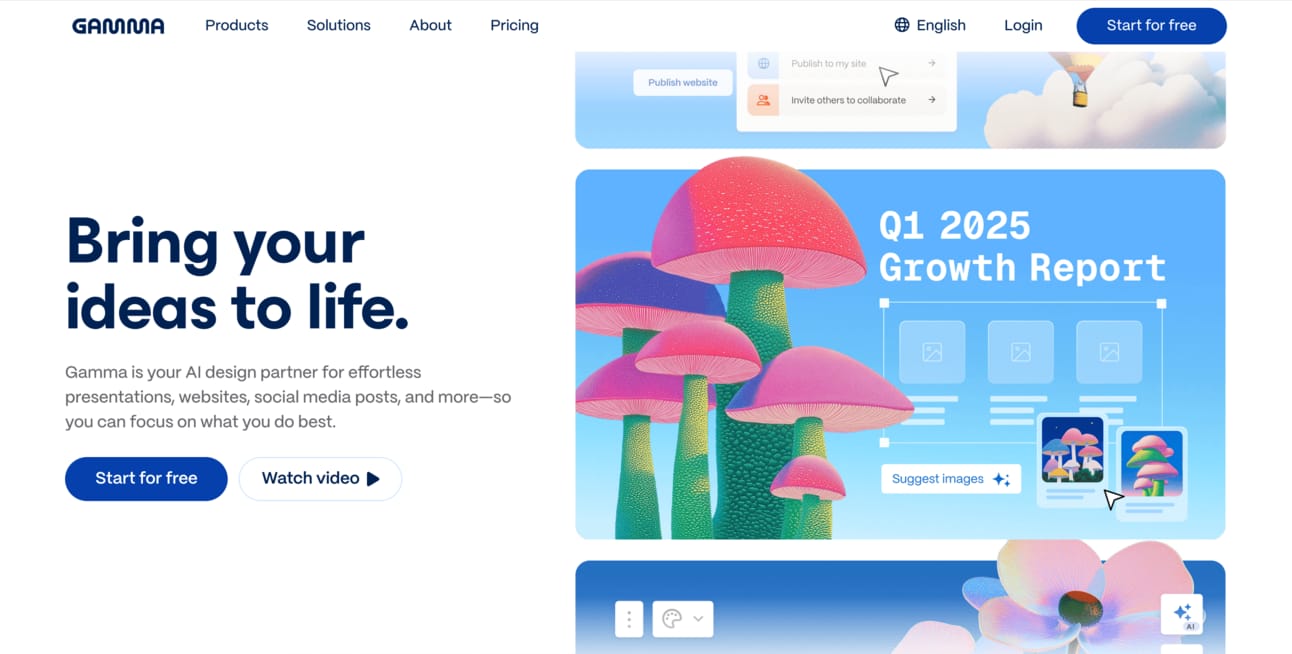
I've been testing AI presentation tools, and Gamma App stands out for creating compelling presentations that address customer objections visually. Unlike traditional slide builders, Gamma uses AI to structure your objection-handling content into persuasive presentations.
Best use case: Businesses that need to present solutions to prospects and address objections in a visual, compelling format. Excellent for sales presentations, webinars, and educational content that converts.
Verdict: While focused specifically on presentations (starting free with paid plans), Gamma's AI-powered design and content structuring makes it invaluable for creating objection-handling presentations that actually convert. The platform's ability to turn research insights into visually compelling slides helps prospects understand and overcome their concerns more effectively.
Quick Question
What's your biggest challenge with handling prospect objections?
Identifying what objections prospects actually have
Creating content that addresses concerns effectively
Scaling objection-handling across all touchpoints
Converting objection-handling into actual sales
Keeping up with new objections as they arise
Reply with your answer to vote (takes 2 seconds)
Helpful videos this week
Want Help Leveraging AI Automation & Sales Systems In Your Business?
I might be able to help
Talk soon,
Simeon Krastev
Founder @ Wellgrow | AI Agents Platform
Reply