- The AI Operator
- Posts
- The AI Playbook: 5 Automations That Instantly Scale Any Business
The AI Playbook: 5 Automations That Instantly Scale Any Business
You're already behind if you're not using these - here’s how to catch up fast.

Simeon Krastev
May 09, 2025
Hey there,
Last week, I was speaking with a client who was working 70+ hours weekly just to keep his business running. He was handling everything from lead qualification to meeting scheduling to content creation.
Sound familiar?
When I showed him how to implement two AI automations, his workweek immediately dropped to 45 hours. Three weeks later, he's down to 35 hours.
The reality is that most business owners are still performing tasks that AI can handle better, faster, and more consistently. This is costing them time, money, and growth opportunities.
In today's edition:
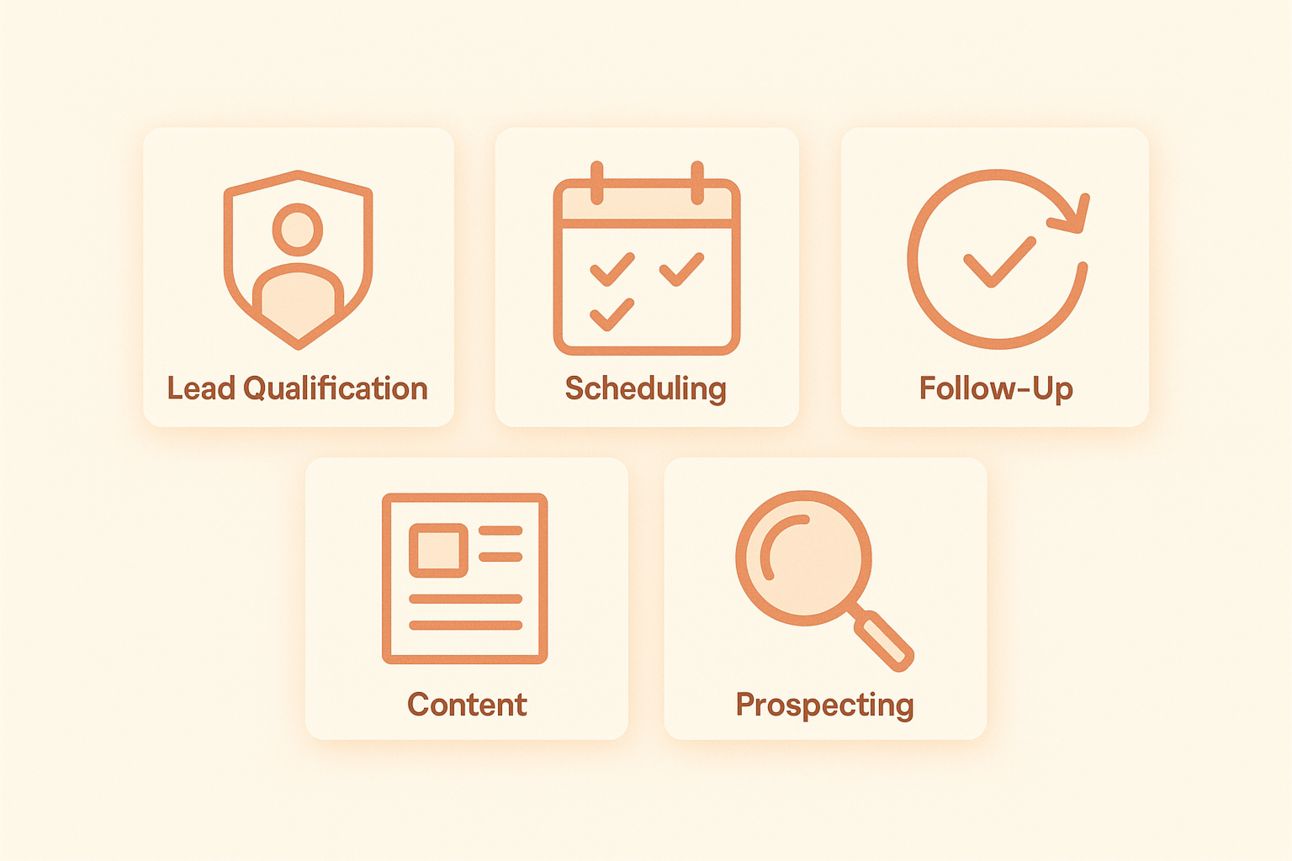
- The 5 essential AI automations that are transforming businesses in 2025
- How these automations are saving business owners 20+ hours weekly while increasing revenue
- Step-by-step implementation guide for each automation (even if you're not tech-savvy)
- The common mistakes that cause AI implementations to fail (and how to avoid them)
The 5 Essential AI Automations Every Business Owner Needs
Let's cut to the chase. These are the five AI automations that deliver the biggest ROI for small to medium businesses right now:

Soon that will be you… I promise
1. AI-Powered Lead Qualification & Instant Response
The Problem It Solves:
Studies show that responding to leads within 5 minutes versus 30 minutes increases conversion rates by 21%. Yet most businesses take hours or even days to respond to new inquiries.
How It Works:
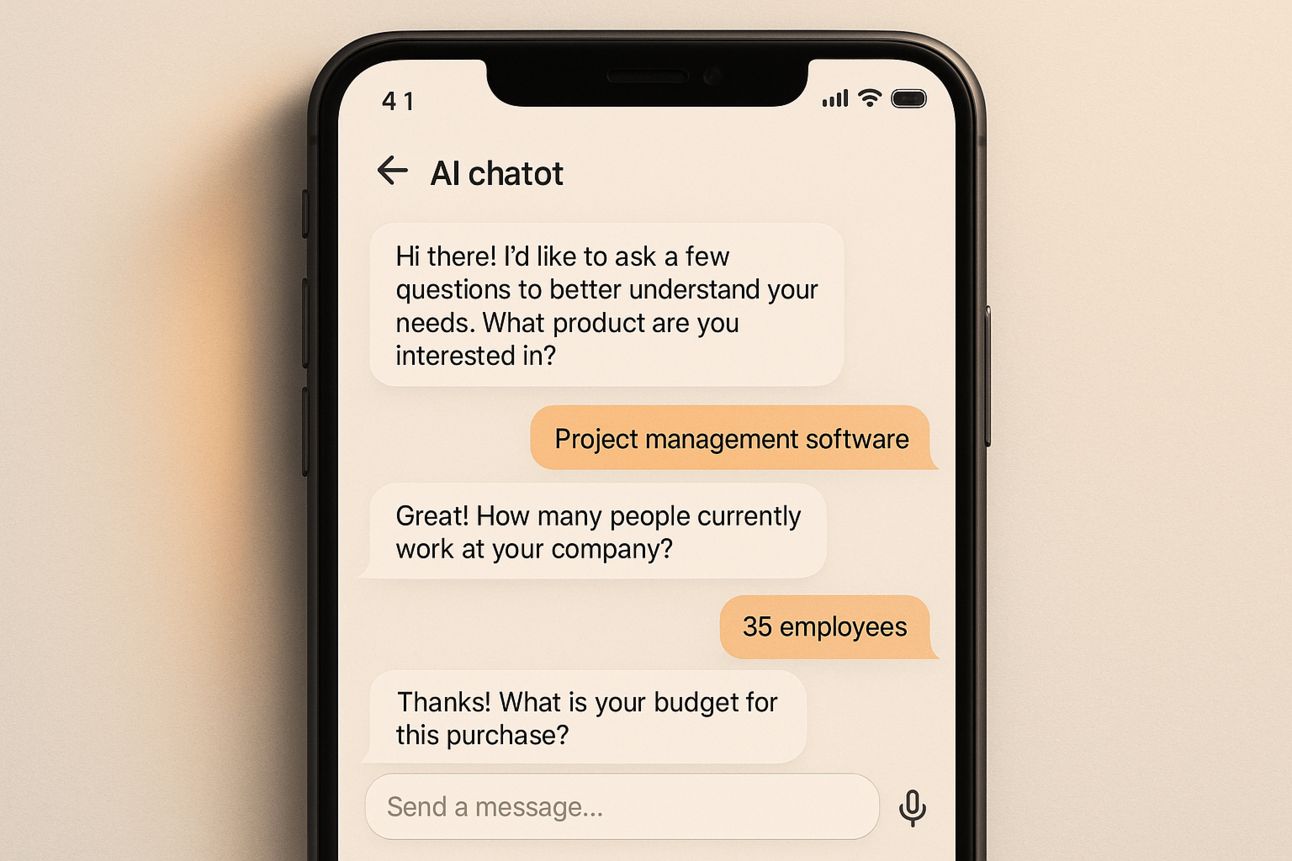
An AI system instantly engages with every new lead, asks your qualification questions, handles common objections, and routes qualified prospects to the appropriate next step - whether that's booking a call or receiving specific information.
Implementation Steps:
Map your qualification process
Document the exact questions you ask to determine if a lead is qualified
List the criteria that make someone a good fit for your business
Identify common objections and your best responses
Choose the right AI tool
Options include specialized platforms like Vapi, RetailAI, Synthflow, or an all-in-one solution like Wellgrow
Look for tools that can engage via multiple channels (chat, email, voice)
Create your qualification flow
Build a conversation that mimics how you would qualify leads (a hack here - take real-life call recordings and transcribe them, then feed them to an LLM model such as ChatGPT or Claude and let the AI do its magic)
Program responses to common questions and objections (Ideally, take 30+ calls, and the AI will extract all the patterns)
Set up lead scoring based on your criteria
Connect to your lead sources
Integrate with your website forms, landing pages, and ad campaigns
Ensure seamless handoff to your CRM or calendar
Real Results:
A gym owner implemented this system and saw their lead-to-appointment ratio jump from 12% to 28% in just three weeks, all while saving 15 hours weekly on manual follow-up.
2. AI Meeting Scheduler & Pre-Call Preparation
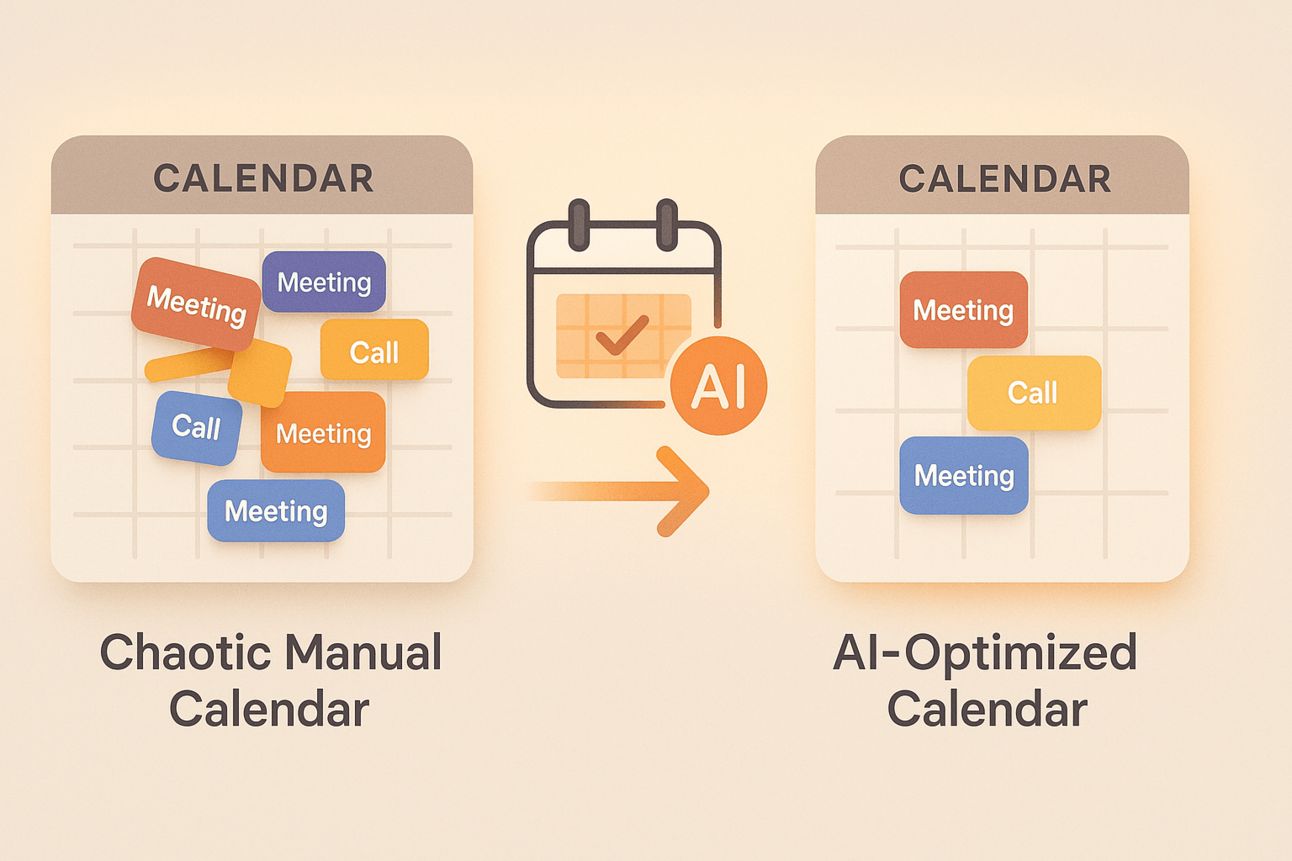
Book, Cancel and Reschedule Meeting with AI
The Problem It Solves:
The average business owner spends 5+ hours weekly scheduling and rescheduling meetings, plus another 3-4 hours researching prospects before calls.
How It Works:
This automation handles your entire meeting process - from suggesting optimal times based on your calendar availability to automatically rescheduling when needed. It also prepares comprehensive briefs before each call, so you walk in fully prepared.
Implementation Steps:
Set up an AI-powered scheduling system
Connect your calendar to an AI assistant
Enable automatic scheduling and rescheduling
Configure preferences for optimal meeting times
Create a pre-call brief generator
Program your AI to compile information about prospects (Perplexity deep search for higher-level B2B conversations and simple google search for B2C).
Research their company, background, and potential pain points (B2B)
Research their social media profiles, linkedin, and relevant information that exists about them on the web (B2C)
Prepare talking points and questions tailored to their situation
Deliver briefs before each call
Configure your system to send comprehensive briefs 15-30 minutes before calls
Include background information, qualification responses, and recommended talking points
3. Never-Miss-a-Lead Follow-Up System
The Problem It Solves:
80% of sales require at least five follow-ups, but 44% of salespeople give up after just one. This means businesses are leaving enormous amounts of money on the table.
How It Works:
This automation creates a sophisticated follow-up sequence that persists without being annoying, ensuring no lead or opportunity falls through the cracks.
Implementation Steps:
Map your ideal follow-up sequence
Document how you would follow up with different types of leads
Create separate sequences for no-shows, those who didn't convert after a call, etc.
Create personalized follow-up templates
Develop templates that your AI can personalize with CRM data
Include value-adding content relevant to their situation
Craft clear calls-to-action
Implement multi-channel follow-up
Configure your AI to follow up across email, SMS, voice calls, and social media
Set up timing variations to test what works best for your audience
Adjust frequency based on engagement levels
4. AI Content Creation & Distribution System
The Problem It Solves:
Consistent content creation is essential for attracting leads but incredibly time-consuming. Most business owners either create content sporadically or outsource it at high cost.
How It Works:
This automation generates highly personalized content at scale, distributes it across multiple channels, and optimizes based on engagement.
Implementation Steps:
Identify your content pillars
Define 3-5 core topics that demonstrate your expertise
List common questions and objections from prospects
Outline your unique perspective on industry challenges
Create an AI content generation system
Train an AI model on your brand voice and expertise
Set up templates for different content types (social posts, emails, articles)
Provide examples of high-performing content
Implement a distribution workflow (I’d still manually schedule all the posts with a team member as from experience some social media platforms penalize auto-scheduling)
Configure your system to distribute content across channels (ideally, ready-to-publish content organized for a team member to take and use).
Schedule content weeks or months in advance
Set up analytics to track performance
5. AI-Powered Outbound Prospecting
The Problem It Solves:
Most businesses rely solely on inbound leads, limiting their growth potential. Traditional outbound prospecting is time-consuming and often ineffective due to poor targeting.
How It Works:
This automation researches, personalizes, and engages perfect-fit prospects at scale, creating a predictable pipeline of opportunities.
Implementation Steps:
Define your ideal customer profile
Clearly define your perfect customers (industry, company size, job titles)
Identify common pain points and triggers that indicate they need your solution
Set up an AI research system
Configure AI to continuously identify matching prospects
Build detailed profiles on decision-makers
Score prospects based on likelihood to convert (recent funding rounds, hiring for specific roles, industry regulations, etc)
Create personalized outreach sequences
Program AI to craft highly personalized opener messages
Reference specific details about their business
Vary messaging formats to increase engagement
The Implementation Roadmap
Here's how to get these automations up and running in your business:
Week 1: Assessment & Planning
Audit your current processes
Prioritize which automations will have the biggest impact
Select the right tools for your business
Weeks 2-3: Implementation
Set up each automation one at a time (there are 100s of YouTube tutorials that you can follow step by step). I’d suggest your watch a few of those to understand exactly what you need and then hire the technical execution over to Fiverr or UpWork. If you are in a position to hire an experienced AI automation expert that would cost a bit more given that strategy and guidance come at a premium.
Test with a small segment of leads. NEVER, ever stop completely doing what’s working manually. I’d always suggest adding things on top before fully replacing with AI as there are always hidden roadblocks and bottlenecks you’d need to solve before having a fully functional system.
Week 4: Optimization
Scale successful automations
Connect systems to work together
Establish monitoring protocols (Weekly and sometimes even daily). AI is evolving at such a rapid rate that you need to monitor things consistently!
Common Implementation Mistakes to Avoid
Waiting for perfection before launching
Start with a "good enough" version and refine based on real data
Implement one automation at a time rather than trying to do everything at once
Not connecting automations
The real power comes when systems work together seamlessly
Ensure your CRM is the central hub connecting all automations
Set-it-and-forget-it mentality
These systems need monitoring and refinement, especially in early stages
Schedule weekly reviews to identify improvement opportunities
Quick Wins: 5-Minute AI Implementations
• Email response templates: Create AI-generated response templates for your 10 most common customer inquiries.
• Meeting summary generator: Use Claude or ChatGPT to automatically summarize meeting recordings and extract action items.
• Competitor monitoring: Set up an AI that alerts you when competitors change pricing or launch new features.
AI Tool Spotlight: Machined.ai
I've been testing dozens of content creation tools, and Machined.ai stands out for its ability to create entire SEO content ecosystems rather than just individual articles. Unlike basic AI writers that produce isolated content pieces, Machined.ai builds complete content clusters - groups of strategically interlinked articles that establish topical authority.
Best use case: Businesses looking to rapidly scale their organic search presence without the traditional content production bottlenecks. The platform excels at creating comprehensive content networks that search engines reward with higher rankings.
Verdict: While more expensive than single-purpose tools (starting at $99/month for regular use), the ROI is substantial - clients typically see 3-5x more organic traffic growth compared to traditional content approaches. The platform's ability to handle everything from keyword research to publishing automation makes it particularly valuable for teams looking to scale content production without sacrificing quality or SEO performance.
Quick Question
What's your biggest challenge with implementing AI in your business?
○ Don't know where to start
○ Too many options/tools to choose from
○ Concerns about AI quality/accuracy
○ Lack of technical expertise
○ Cost of implementation
Helpful videos this week
How AI Automates Your Proposal Generation Process
Want These Automations Implemented For You?
Need help getting this done? We implement these five automations for businesses, customized to your unique processes and needs. Our team handles everything from setup to optimization.
Talk soon,
Simeon
Reply